Control Systems and Process Optimization
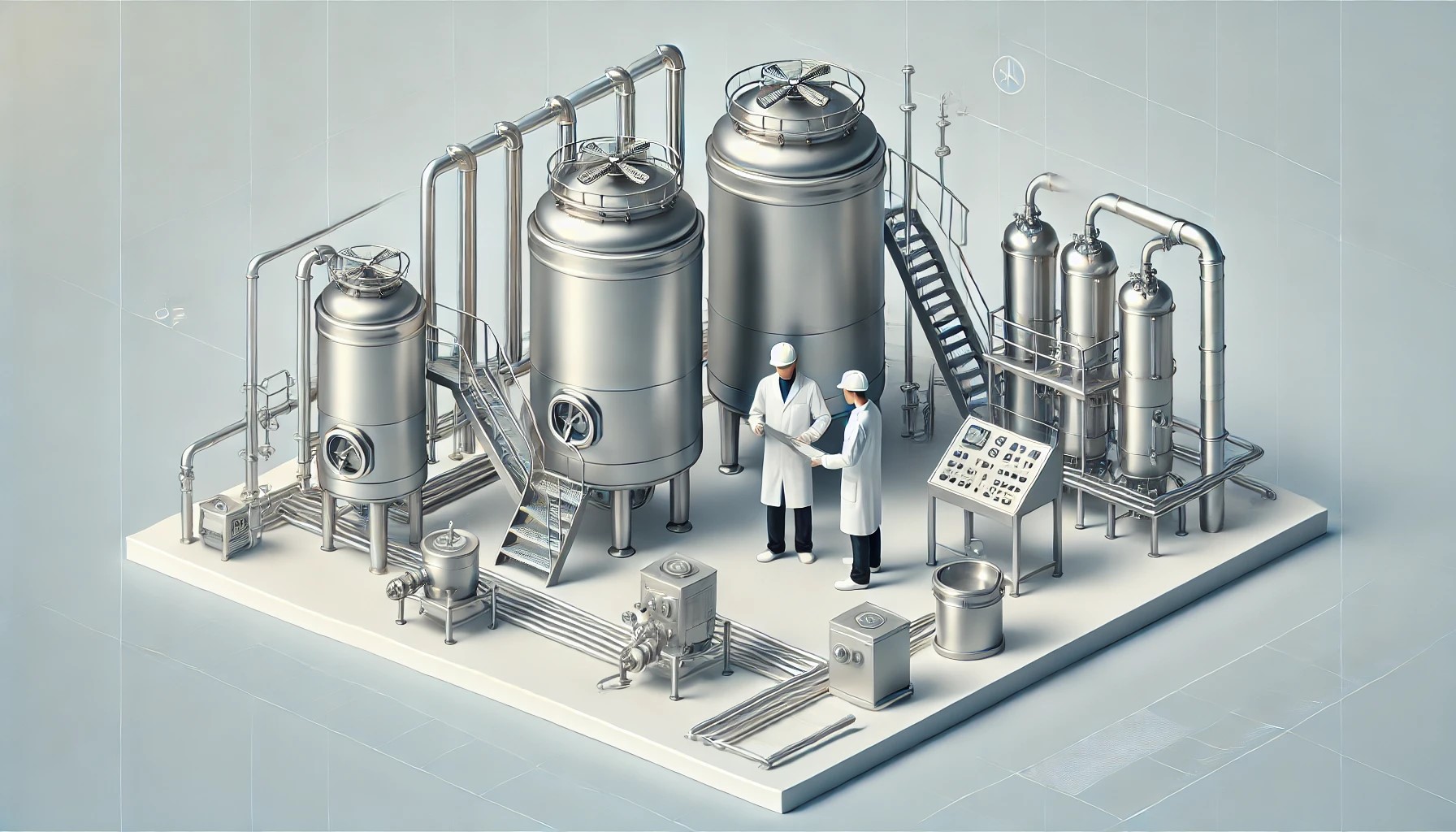
Multivariate Statistical Process Control of an Industrial-Scale Fed-Batch Simulator.
Project Overview
Ensuring consistent quality in industrial-scale penicillin production is a major challenge due to variations in raw materials and process conditions. Advanced control strategies help mitigate these challenges by predicting and adjusting for variations in real-time, improving product consistency.
The Solution: Using Advanced Control Strategies
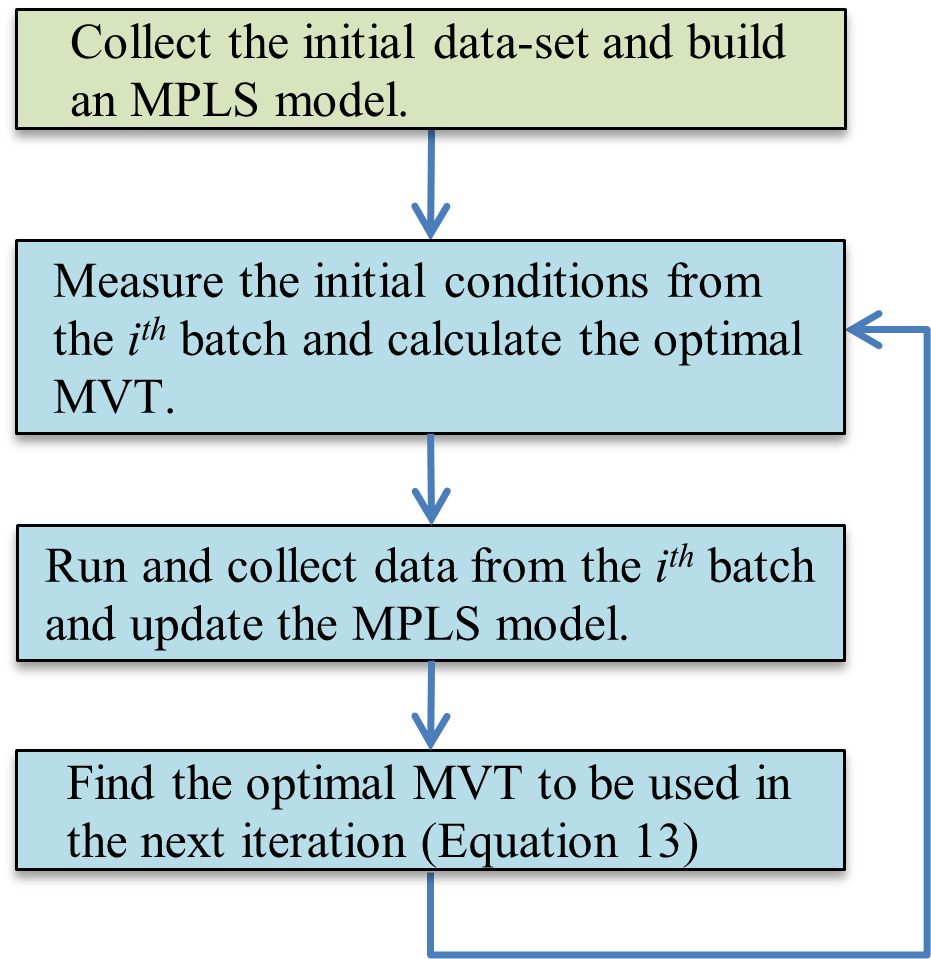
Batch-to-Batch Optimization (B2B)
Engineered a feedback system that adapts production parameters from batch insights, continuously enhancing product quality and process efficiency.
Model Predictive Control (MPC)
Developed a predictive control model to manage glucose feed rates, stabilizing penicillin yields despite process variability.
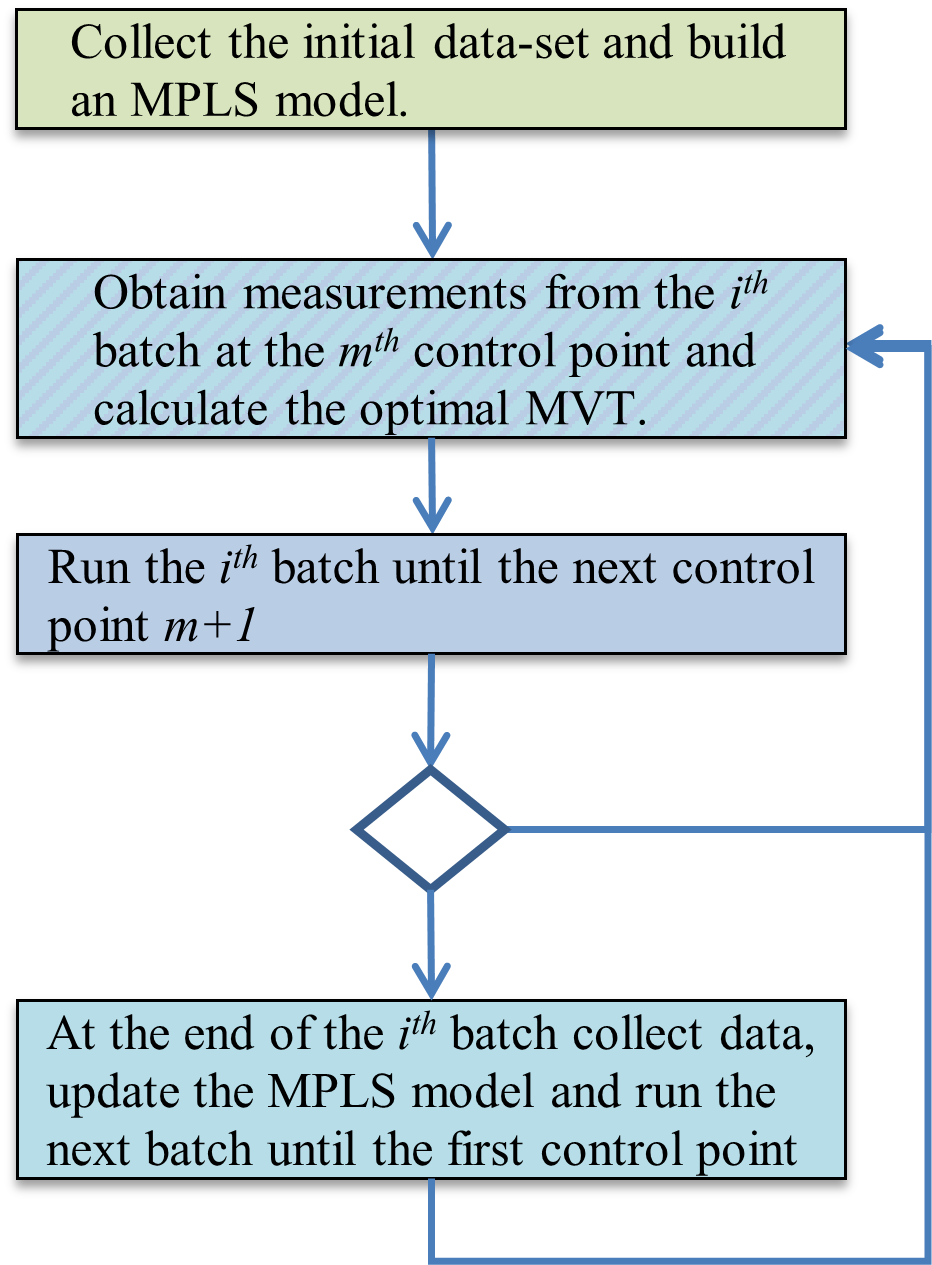
Validity Constraints
Implemented constraints within the predictive models to ensure safety and reliability of the control strategies based on historical data.
Bootstrap Calculations
Applied bootstrap calculations to establish confidence intervals, providing a robust statistical foundation for predictive accuracy.
Key Results
Improved Consistency and Yield: By applying batch-to-batch optimization and MPC, the project demonstrated significant improvements in both the consistency and quality of the penicillin produced. The optimized process resulted in a more stable yield, with less variation between batches. This is crucial for meeting quality standards and ensuring the reliability of the production process.
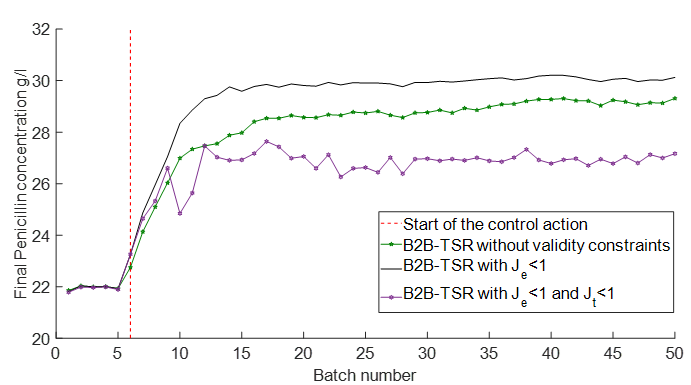
Results for B2B and MPC Strategies: The results indicated that the B2B strategy improved the overall consistency and quality of the production process. MPC further enhanced these results by making real-time adjustments, leading to a significant reduction in variability and an increase in yield consistency.
| Control methodology | Yield average | MSE to the set-point |
|---|---|---|
| No control | 21.84 g/l | 1.22 g/l |
| B2B | 30.12 g/l | 1.63 g/l |
| B2B + MPC | 29.92 g/l | 0.69 g/l |
Conclusion
Using advanced control techniques, this project significantly improved the yield and consistency of penicillin production. The combination of batch-to-batch optimization and model predictive control showcases the power of advanced industrial control strategies.
Read More
For a detailed exploration of our methods and results, you can read the full article:
Multivariate Statistical Data Analysis of Cell-Free Protein Synthesis
Projects
Here are my projects related to Control Systems and Process Optimization:
-
Multivariate statistical process control of an industrial-scale fed-batch simulator
Application of multivariate statistical process control in an industrial-scale fed-batch simulator. -
Multivariate batch to batch optimisation of fermentation processes incorporating validity constraints
Optimization of fermentation processes with validity constraints using multivariate statistical methods. -
Fault Tolerant MPC for Fed-Batch Penicillin Production
Fault-tolerant model predictive control (MPC) applied to fed-batch penicillin production. -
Modern day monitoring and control challenges outlined on an industrial-scale benchmark fermentation process
Addressing modern monitoring and control challenges in industrial-scale fermentation processes. -
Multivariate batch to batch optimisation of fermentation processes to improve productivity
Optimization of fermentation processes using multivariate statistical methods to enhance productivity. -
Multivariate statistical data analysis of cell-free protein synthesis toward monitoring and control
This project involves the application of multivariate statistical data analysis for monitoring and control in cell-free protein synthesis.